
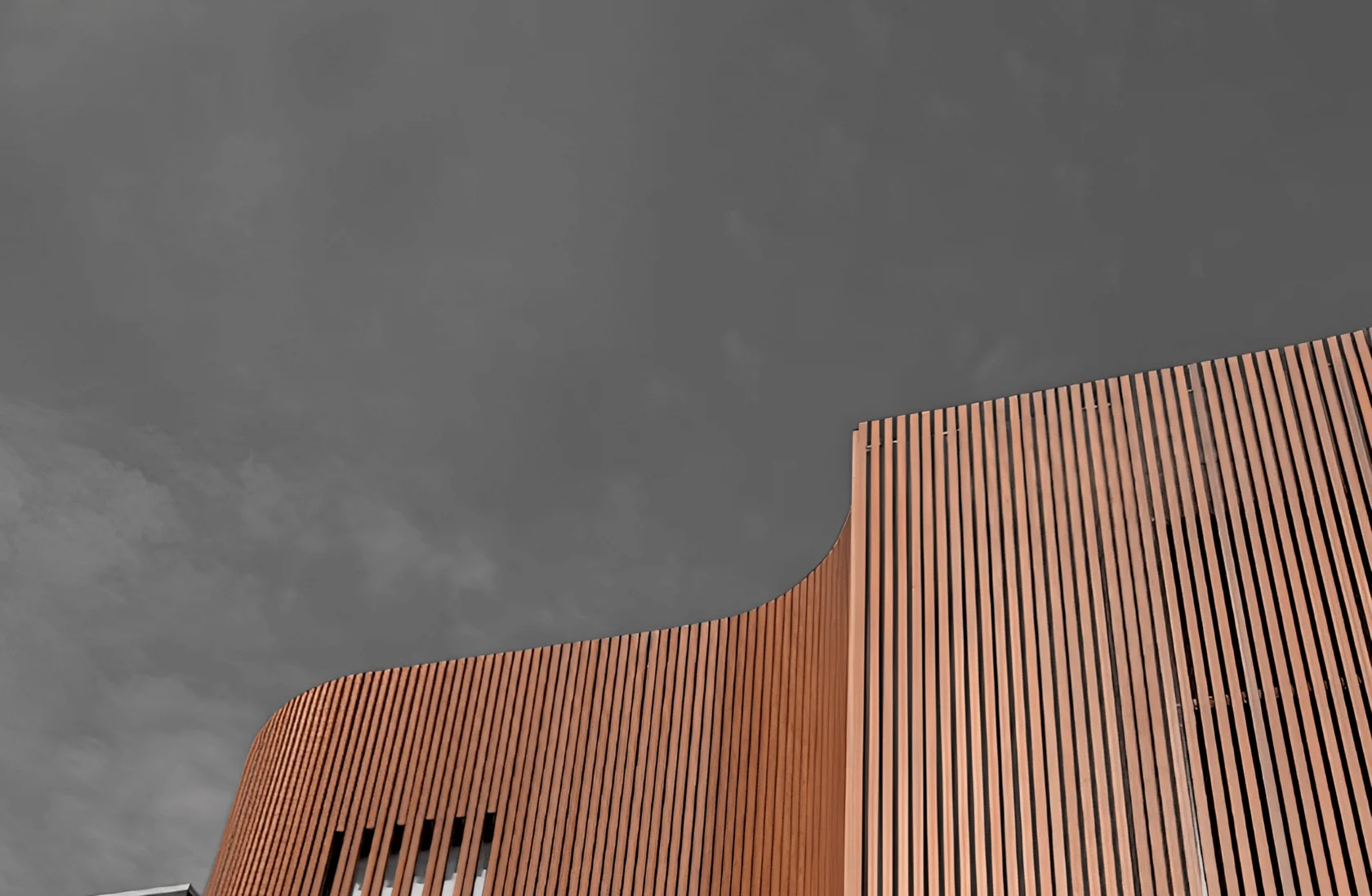
Composite panels made headlines for the wrong reasons. Here is how solid woodgrain aluminium differs from aluminium composite panel.
What is composite panel
Aluminium composite panel (ACP) is two thin aluminium skins bonded to a core. The core material is the issue: some older ACP used polyethylene cores that are combustible, which is why composite cladding has been heavily scrutinised and restricted in Australia.
Solid aluminium is different
Woodonali products are solid aluminium - cladding boards and extruded battens with no combustible core. The substrate is non-combustible to AS 1530.1, so there is no flammable filling to worry about.
Why it matters for compliance
Following the cladding reviews, many builders and certifiers are cautious about anything described as composite. Specifying a solid, non-combustible aluminium product simplifies that conversation and supports compliance with the National Construction Code's external wall requirements.
Appearance
Both can carry a woodgrain look, but solid aluminium battens and boards give genuine depth and shadow line that flat composite sheet cannot match, which is why they read more like real timber on a facade.
Bottom line
If you want a timber-look facade that avoids the combustible-core concerns associated with some composite panels, solid woodgrain aluminium is the safer, simpler specification.